
Learn the difference between pulpotomy vs pulpectomy in primary teeth. Understand symptoms, procedures, and the best treatment for your child’s dental health.
What is a Pulpotomy?
A pulpotomy is a dental procedure performed when the infection or decay has affected only the crown portion of the tooth pulp. In this treatment, the infected part of the pulp is removed while the healthy root pulp is preserved.
Key features of pulpotomy:
Suitable for mild to moderate decay
Preserves the vitality of the remaining pulp
Less invasive procedure
Faster healing and recovery
After the procedure, the tooth is usually restored with a crown to maintain its function and strength.
What is a Pulpectomy?
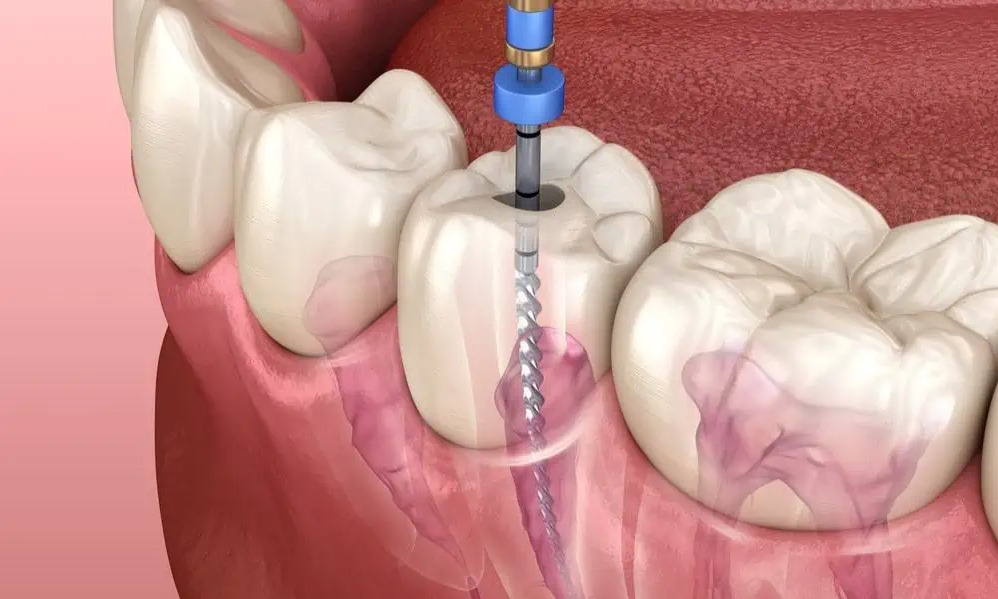
A pulpectomy is a more extensive treatment performed when the infection has spread to the entire pulp, including the roots. In this case, all the infected pulp tissue is removed from both the crown and root canals.
Key features of pulpectomy:
Used for severe tooth decay or infection
Complete removal of infected pulp
Root canals are cleaned, disinfected, and filled
Helps save the tooth from extraction
This procedure is similar to a root canal treatment for adults but is specifically adapted for primary (baby) teeth.
Why Are These Treatments Important for Primary Teeth?
Primary teeth play a crucial role in a child’s oral development. They help in:
Proper chewing and nutrition
Speech development
Maintaining space for permanent teeth
Treatments like pulpotomy and pulpectomy help retain these teeth until they naturally fall out, preventing alignment issues and further complications.
Understanding pulpotomy vs pulpectomy in primary teeth is important for ensuring the best dental care for your child. Both treatments aim to save the tooth and maintain oral health, but they differ in complexity and application.
Consult a pediatric dentist at the earliest sign of dental issues to ensure timely and effective treatment for your child’s healthy smile.